
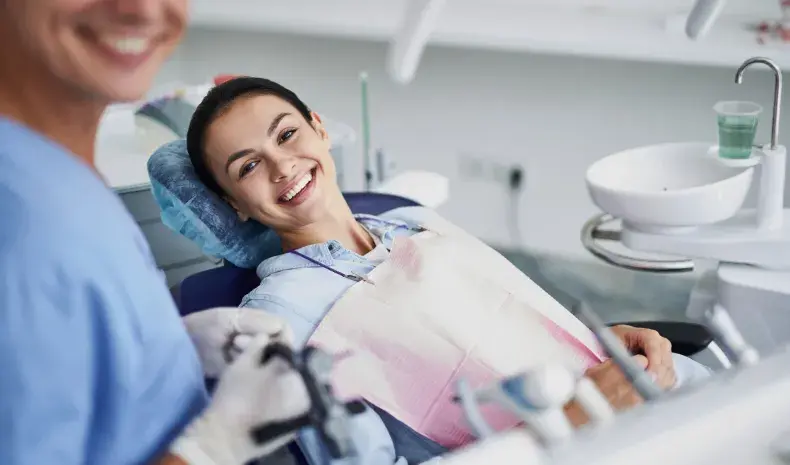
Restoring Receding Gums and Protecting Exposed Roots
Gum recession tends to progress slowly. Many patients don’t realize how much tissue they’ve lost until a dentist points it out during an exam. Left untreated, receding gums can lead to tooth sensitivity, root exposure, and eventually tooth loss. Soft tissue grafting rebuilds the gumline, protecting your teeth and restoring a more even, healthy-looking smile. Citrus Smiles Dental Studio performs soft tissue grafting at all five of our Texas offices, serving patients in Murphy, Wylie, Heath, Lucas, Irving, and the nearby communities of Plano, Garland, and Richardson.
Why Choose Citrus Smiles for Gum Grafting?
Gum grafting results depend heavily on precision and on how well healing is supported afterward. That’s why Drs. Aurora and Gupta often pair grafting procedures with L-PRF, prepared in-house from a small sample of your own blood. For many patients, that combination means a noticeably smoother and faster recovery than grafting alone.
Patients across Murphy, Wylie, Heath, Lucas, and Irving also value that we take time to explain why the recession happened in the first place. Treating the graft without addressing brushing technique, bite issues, or grinding often means the recession simply returns. Our doctors look at the whole picture rather than treating the graft as an isolated fix.
What Is Soft Tissue Grafting?
Soft tissue grafting, also called gum grafting or gingival grafting, is a procedure that adds tissue to areas where the gums have receded or thinned. It restores both the health and the appearance of the gumline. The graft tissue can come from another part of your own mouth or from a certified tissue bank, depending on your needs and preferences.
Benefits of Soft Tissue Grafting
 Covers exposed tooth roots, reducing sensitivity and decay risk
- Protects teeth from further recession and potential bone loss
- Creates a more even, proportional gumline
- Strengthens thin gum tissue against future recession
- Improves the overall appearance of your smile
- Creates a healthy foundation for tooth replacement like dental implants, preventing peri-implantitis or the exposure of the implant
Why Gum Recession Happens
Several factors contribute to receding gums, and understanding the cause helps determine the right treatment approach. The most common contributors include:
 Periodontal Disease: Gum disease breaks down the gum and bone tissue supporting your teeth and may require scaling and root planing before grafting.
- Aggressive Brushing: A hard-bristled brush or heavy pressure gradually wears gum tissue away.
- Genetics: Some people naturally have thinner gum tissue that recedes more easily.
- Teeth Grinding or Clenching: Excess force on the teeth places strain on the gums over time, which a night guard can help control.
- Tobacco Use: Tobacco restricts blood flow to gum tissue and slows healing.
- Misaligned Teeth: Crooked or crowded teeth can expose certain areas of the gumline to more wear.
Because recession can stem from more than one cause at once, we evaluate your bite, oral hygiene habits, and overall gum health before recommending a graft.
Signs You May Benefit From a Soft Tissue Graft
- Teeth that appear longer than they used to
- Increased sensitivity to hot, cold, or sweet foods near the gumline
- Visible tooth roots or notches near the base of a tooth
- Gums that look uneven or asymmetrical across your smile
- Recession measurements noted at your last cleaning
If you’ve noticed longer-looking teeth or sensitivity near the gumline, call (972) 472-8862 (Murphy), (972) 474-3849 (Wylie), (972) 433-6500 (Heath), (214) 785-8271 (Lucas), or (469) 845-9855 (Irving) to have your gums evaluated.
Types of Soft Tissue Grafts
Not all gum grafts are performed the same way. Your dentist will recommend a specific technique based on how much tissue has been lost and where the recession is located.
- Connective Tissue Graft: Tissue is taken from beneath a small flap in the roof of the mouth. This is one of the most common and predictable grafting techniques.
- Free Gingival Graft: A thin layer of tissue is taken directly from the surface of the palate. It is often used when a patient needs thicker gum tissue rather than root coverage.
- Pedicle Graft: Tissue is moved from the gum right next to the affected tooth instead of the palate, which can allow for faster healing in the right cases.
- Allograft (Donor Tissue): Processed tissue from a certified tissue bank is used instead of your own tissue, eliminating a second surgical site.
How the Soft Tissue Grafting Procedure Works at Citrus Smiles Dental Studio
Most soft tissue grafts are completed in a single appointment lasting roughly one to two hours, depending on how many teeth are being treated.
 Numbing: The treatment area and the donor site, if applicable, are numbed with local anesthesia.
- Tissue Preparation: Tissue is harvested from the donor site or prepared from a tissue bank source.
- Site Preparation: The gum tissue at the recession site is gently prepared to receive the graft.
- Graft Placement: The graft is positioned and secured with sutures.
- Healing Support: Tissue-stimulating proteins may be added to encourage faster, more comfortable healing.
- Protection: A protective dressing may be placed over the palate if tissue was taken from there.
Caring for Gum Grafting Results
Recovery from soft tissue grafting typically involves mild swelling and tenderness for the first few days, particularly if tissue was taken from the roof of the mouth. Most patients manage this comfortably with over-the-counter pain relief. A soft diet is recommended for one to two weeks, avoiding anything crunchy, spicy, or acidic that could irritate the healing area. Brushing directly over the graft site should be avoided until your dentist confirms it has healed enough to tolerate normal hygiene again.
Full healing generally takes two to four weeks, though initial tenderness usually improves significantly within the first week. We will schedule a follow-up visit to confirm the graft has integrated properly.